5.9.09

1.9.09
Sojourns in Beijing, and Adventures in Manchuria
I returned to Capital Normal University's International Culture Plaza where I stayed a night and met up with a Vietnamese friend and Korean friend. We went out to a Korean barbecue restaurant. The next day I met Xu Laoshi at Beijing Station (smaller than Beijing West, and much easier to manage). We borderd a 14 hour train to the great Northeast. Chatted on the train and smoked cigars with the strong bodied peasants of Manchuria (many made iliterate by the turmoil of the Cultural Revolution).
Dandong is a small city of maybe 700,000 people. It lies on the North Korean border, near the sea, and the most Easternly point of the Great Wall. The city's name used to mean "Pacify the East" as in invade Korea, but was renamed "The East is Red". The culture is a mix of Chinese, Manchu, Mongol, and Korean. My friend, Xu Laoshi, is a Mongolian minority, his family lives on a farm on the outskirts of town. We arrived with two other friends of his.
The farm was beautiful with peach trees, corn fields, rice paddies, chickens, ducks, and flower patches. We set on his family's kang (the large flat surface found in all rural homes in Northern China which can be heated with coal during the winter) and ate peaches fresh from the trees and drank clean water that did not have to be boiled. The food was great, and it was great to meet Xu Laoshi's parents. His mom reminded me of my mom.
Nothing I had ever seen before could have prepared me for what I saw in rural Liaoning. What surprised me most was the prosperity of rural northern China. I had been expected something on par with the poverty I had seen in rural West Africa or even the kind of poverty I saw in the slums in urban China. But Xu Laoshi's family seemed to be doing well. They have running water, electricity, a motorcycle, a television, a satelite dish, (newly) a washing machine, and plenty of food. One of the most successful policies of the reforms of the past 30 years has been to give the peasants back their own land. For milenia it was the landlords', then it was the government's in massive communes (tens of millions starved to death then), and now it belongs to the families who actually work the land. But there was tragedy there too. Xu Laoshi's parents were "wenmang", illiterate because of the chaos of the Cultural Revolution.
We went out to a resevoir nearby and visited a fishing store from where we bought fish for dinner. We downed it with beer and fresh corn from the family farm. Slept well on the Kang (though the flies were a bit much). The next day we went to town. Visited the North Korean border. Two bridges span the Yalu River. One was built by the Japanese in 1910 and bombed by America in the 1950's. The other one (functional), is the sight of all official trade between the two nations. We borded a boat to go along the river and snap photos of the Korean city on the other side. Not much to see. A ferris wheel that never moves, some coal, some trucks, and some cranes. This is North Korea's most prosperous area, and it looks pathetic next to the bustling Chinese city on the other side. It was sad to see such a place but facinating. Certainly, a day I will never forget. We visited the city square and bought train tickets in the station for our return trip. We visited the Dandong version of Cosco. Bought some North Korean cigarettes, a purse, and some North Korean money at a border store. Ate Korean barbecue.
The next stop was a museum and memorial for the Korean American War. I thought the sign that said "May peace reign forever" in Chinese was beautiful: 和平万岁. Mostly, the museum portrayed Americans as monsters, but did show that many Americans opposed the war, even American soldiers (photos of one protest). It also showed a Black regiment that surrerended because they refused to fight. Mostly, I was horrified by the carnage of the war. Millions of Koreans on both sides died. 50,000 Americans died, and possibly hundreds of thousands of Chinese soldiers. I had fun in this one place where you could dress up in authentic Chinese uniforms from the era.
The next night we went to a restaurant with Xu Laoshi's family and tried some Sino-Korean barbecue. A lot of fun. The next day we returned to Beijing. I hung out with my Korean and Vietnames friends and bythe 24th, I was on my way back to America.
Adventures on the Mountain of Beautiful Eyebrows
Emeishan is a beautiful mountain, supposedly shaped like a beautiful pair of eyebrows. Its world famous sunrise made it a popular retreat for Daoists thousands of years ago. Daoism today has 5 sacred mountains which together form a square with a point in the middle. When Buddhism came to China during the Han Dynasty, the Buddhist copied the Daoist mountain tradition and selected four mountians forming no particular shape, giving each one to a particular Buddhist saint. Emeishan was named for Puxian Pusa, and the mountains shrines are decorated with his patron animal, the elephant (though these elephants are white and have six tusks). It has four famous attractions. Two of which I witnessed (the forming of a sea of clouds below the the peak, and the sunrise which is beautiful beyong anything I could have ever imagined. The mountain his home to dozens of temples and shrines, hundreds of inns, hotels, and cafes, thousands of tourists, and a level of development that surpasses Loon Mountain in New Hampshire. For instance, the entire trail (up this 12,000 footer), is paved with stone steps and wooden handrails, a boon for the many senior citizens who climb the mountain. The mountain also has buses that can get you near the top, and cable cars and porters who can take you all the way up. Many of the temples were looted by the British, Japanese, and Red Guards. One of the greatest treats of the mountain are the hundreds of Tibetan Macaques who try to steal people's food. They are very cute and the mountain was there home before humans came there. The scenery gradually changes from subtropical with pom trees, heat, and humidity, to temperate with bamboo groves, to something that reminded me of New Hampshire, to barren and cold, even in August (winter coats can be rented on the top). In all my life, I have never seen anything as beautiful as this mountain. The scenery on the trail was on par with Mount Chicorua in New Hampshire, but the view from peak was fantastic, stretching to the Tibetan plateau in the west.
My student identification card got me cheap access to the National Park (Y80). On the hike to the first sight (thousand years monastary), I met three lovely ladies. Two from Chongqing, one from Yunnan. We chatted for a while. They gave me some snacks. I gave them some of the treats Li Cheng's family had packed for me. They turned back after the first sight (they had taken the bus and cable car to the peak earlier in the morning). I continued up the mountain and soon befriended a bunch of college age students from Sichuan. By nightfall we were eleven. We camped out at Taiziping monastery. This was a real monastery, and the monks were not particular welcoming of foreigners (earlier foreigners had given them a bad impression, probably loud and rude). But I told them I was a Kazakh minority from Western China, and did a traditional palms together greating. "Praise St. Puxian" I said in Chinese, and they let us stay. Two to a bed,Y15 a piece. They gave us some free books. Rose at 4 in the morning. Washed our faces. Hiked to the top and watched the sunrise. On the trip down we were only four. Me, a man from Hunan (now living in Beijing), and two college students from Chengdu (one was an English major who spoke good English). The English major said to call him Hans (like the Han people, but also a German name). I talked in Chinese, him in English so we could both practice. A lot of people starred at us as we walked. He liked cigarettes, cigars, 60's American folk music (including Phil Ochs), Fidel Castro, nature (he taught me the words for Tibetan Macaque and Ultra Violet Radiatio), and hiking. Lost my water bottle when it slipped from my hand and rolled down the mountain. We stopped for the night at an inn ajoining a temple on near the bottom of the monastery. Y30 a person. Slept well. We chatted at night and in the morning. They all thought my Chinese was getting great. The Kazakh minority lie would work on most people we met and gave us a good laugh.
Hans finally decided to talk about his perception of America. He loves 60's folk music, Emerson, American culture, and his two American friends: me and a guy in Chengdu. The friend in Chengdu was an old hippie who's brother died from Agent Orange back in Vietnam. He talked about the War in Iraq and the old war in Vietnam. He said its scarry to here Americans talk about Human Rights in China. They were talking about Human Rights in Iraq before the bombs fell. Now the Iraqis have plenty of rights - in the cemetary. He talked about what he saw as the Peace of the Chinese people. Farmers for thousans of years, they have seen war for centuries and love only peace and stability. Their hearts are with the land, the trees, and the harmony of the World. He's scared for the future of his rapidly changing country, but all in all feels the reforms of the 1980's did China good. As we talked, things grew increasingly tense, finally I burst out into my rendition of the Cultural Revolution song about American Imperialism, everyone laughed and the mood became less tense.
In the morning we reached the intersection of two rivers by the foot of the mountain. we waded in the crystal clear water, and relaxed. At the bus station we smoked cigars to celebrate. I embraced Hans. We sang "One Tin Soldier". We bargained with a cab driver to take us to Leshan. In Leshan we boarded a peasant's motorboat for Y2 to see the Leshan Giant Buddha (to enter the actual park would have been Y80 and would have made seeing the statue in its entirety impossible. Also got to see part of rural southern China in the strip of land across from the statue. Reminded me of someone in Latin America. Bronzed old men smoking cigars, wearing straw hats and open white shirts. The statue was amazing, watched from an abandoned old building, once a hotel. Now the World's largest statue of its kind (the others were bombed by the Taliban in Afghanistan), the statue is over a thousand years old. Made it back to Chengdu by evening, parted with my comrades and brothers. Made my way back to Li Cheng's apartment, smelling like a horse and still holding my bamboo staff. Tiantian was thrilled to see me. I showered and his parents fed me. The next morning I boarded the T8 back to Beijing.
Adventures in the Land of Four Rivers: Part 1
I set out on Friday the 7th of August for Sichuan, the land of the four rivers. Breadbasket of Western China for milenia, the land of mighty generals, mystical mountains, and spicy food. Pandas, golden monkeys, gibbons (in the past), and other creatures walked its woods. There are statues 300 feet tall carved out of mountains. And in the midsts of all this wonder are 100 million people. It is like something out of a fantasty novel. I kept getting strange feelings in China. Maybe I wasn't in the Middle Kingdom, maybe I was in Middle Earth. Of course, Sichuan is a land of hardship, turmoil, and hope. A hundred thousand perished in the earthquake of last year. The Three Gorges Dam has forced millions from their ancestral homes. But nowhere in China, is the growth of the past few decades been so astonishing.
Hard seat train rides are always a lot of fun. It's not as bad as it souds. The seats are padded and the train usually rests at stations along the way so you can get out, stretch your legs, and grab some instant noodles. Also got to chat with and see the lives of the "Old Hundred Names", the common folk of China.
After my final exam and a final banquet with my fellow students, I borded a cab to Beijing West Station, arguably the largest train station in Asia. Boarded train T7 to Chengdu. My seat was near a family with two baby twin girls, and another family with a boy around 13 years old. I spent spent the next 25 hours or so watching the countryside roll by. First Beijing, then Hebei, Shanxi, Shaanxi, and finally, Sichuan. Also ate instant noodles, chatted, and plowed through the copy of "The Open Veins of Latin America" by Eduardo Galeano my father gave me. On saturday morning as we neared the Sichuan border, I befriended a girl from a college in Sichuan who spoke very good English. Her English name was Asura. She's majoring in Biomedical engineering and will be studying in Belgium next year. She was very friendly and reminded me of a friend from Yale. Gave her an "I heart New York" shirt. She gave me an inscent bag.
As the train rolled on I watched wheat and corn fields give way to rice paddies. I also saw towns that had been devastated by the earthquake. Finally, we arrived in Chengdu. I had come over 2000 km. Oh, how will I find Li Cheng! Everyone here is Chinese! Fortunately, he found me. We took a cab to his place, only 10 Chinese dollars, much cheaper than Beijing.
His building looked like all the others nearby. Grey 1950's Soviet architecture. Willow trees and a fish pond out front. winding lanes within the gates of the complex. There were flowers and children playing. The inside of the apartment was much more gorgeous than the outside of the building. Occupying the top two stories of the building, the apartment has multiple balconies, spacieous rooms, a large guestroom, and two rooftop gardens. His parents were warm and welcoming. His dad, a smoker, lawyer, and a big personality, reminded me of my father. They even look a like. His mom , a former librarian, was a sweet-heart. I called them auntie and uncle (at Li Cheng's request). I gave them gifts, and they gave me four beautiful fans for my family. I showered and we ate. Sichuanese food is great and while in Chengdu, I was no vegetarian (more on that later).
The dog, Tiantian, a puppy of 3 month, was adorable and fun to be around. We ate a delicious meal of meat, rice, potatoes, spicy veggies, and spicy liquor (even the liquor is spicy). I watched a movie with Li Cheng's dad while Li Cheng did some work. "Warriors of Heaven" was about a renegade Tang Dynasty general, a Japanese embassador (with awesome sword skills), a nun, and an old guy who try to get this relic safely across Xinjiang withort this warlord taking it.
Slept late Sunday morning. Ate delicious Sichuan breakfast: congee, eggs, meat, buns, hot soy milk, and tea. Went for a walk with Li Cheng around the neighborhood. Bought fake DVD's, a lot of them. Also saw part of Southwest Transportation University's campus. This is where Li Cheng sent to college before going to Shanghai for law school. Dinner was delicious. We ended the day by watching "Once Upon a Time in China". Afterwards, I talked with his parents about the Cultural Revolution, living in Chengdu, and tea. We sang some great songs together. "L'internationale" (mom was a party member), "In the far away place" (beautiful folk song), and a song about American imperialism Devin taught me, which got a laugh from Li Cheng's dad.
Woke up early Monday, played with Tiantian. Had breakfast. Set out with Li Cheng on an adventure. Using the city's buses (subway lines are under construction still), we went to the Panda breeding facility. On the way, Li Cheng noticed how "handsome" I was. Everyone on the bus was starring at me, because I was a foreigner. Li Cheng and I descussed Environmental issues in China and America. I explained how curruption had devastated public transportation developement in many American cities. Talked about how Westerner's (Western China) viewpoints are shaped by events such as the Earthquake. His parents had been at work at the time, but the plants in the apartment were knocked over. No one they knew was hurt, but it was scarry. We talked about how on the one hand, China's development can be seen as the exploitation of western and rural areas' labor force and natural resources by urban and eastern areas. Furthermore, the 1st World can be seen as exploiting China. But without this, would there be such economic growth? Can a balance be struck? How? When?
The Pandas were great. Really cute and fat. Also had Red Pandas, peacocks, ducks, and fish. Met a couple from Chongqing I would see again on Emeishan. Learned a new phrase: "yuan2fen4". Chinese Buddhist for "fate". I had a great time chatting with Li Cheng. He discouraged interning at the China Labour Bulletin in Hong Kong (a possibility for the future). We met a tall, pretty girly from Hebei in the gift shop. I pretended not to know CHinese and used a puppet panda to translate for me. Fun. Met two Hungarian travelers on the bus ride to the zoo. Told them Li Cheng was "China's most famous lawyer, a Yale graduate!" Zoo was great. Ate candy shaped like a butterfly, road a dragon boat ride. Saw pandas, birds, alligators, golden monkeys, baboons, zebras, rhinos, hippos, grizzly bears, polar bears, some wierd Asian bear (Taiwan bear?), orangutans, and chimps (in a gage that might upset Josh). Also saw tigers and lions. Chatted with Li Cheng about how everyone was starring at me. Next to the zoo is an old temple. Beautiful, a combination of Tibetan and Chinese styles. Bought some inscents, did bows. Walked by a tree Li Cheng remembered from his childhood. Ate out with his family at a fancy Chengdu hotpot place. Delicious and spicy. Ate such exotic items as pig liver and beef stomach. Upset my stomach later. Took some pills and all was well.
Chengdu is one of China's loveliest cities. Tuesday, we took the bus to another temple. Even more gorgeous. Also had Tibetan influences. We toured its magnificient halls and gazed at the statues. I liked how the lion paintings were so stylized (made by people who had never seen lions). Ate some very realistic fake chicken at a restaurant there. Enjoyed the lovely teahouse. Very relaxing. Sipped tea, chatted, watched a guy getting his ears cleaned. Then we went downtown. Lot's of people, motorcycles, and cars. 人山人海. Passed an area with a lot of army clothes stores and sports stores. The big square was fun. Huge white statue of Chairman Mao. We ate snacks at this fancy Chengdu restaurant and chatted about discrimination law in America and China. Hmm.... snapped a picture with this guy dressed as Zhang Fei (Guan Yu's little brother). Went to this street full of tourists. Met an African selling cartoons of Jet Li, Bruce Lee, etc... Spoke good Chinese, no English. Impressed some Japanese tourists with "Konichiwa". Li Cheng wouldn't talk to them. Still hates them. But he wants to learn Japanese for video games, etc... Talked about Japan, Taiwan, scooters, and dating. Went home and rested up for my hike. Talked over a plan with his folks.
3.8.09
Tai Kuai Le!
Last night, I went to visit Mr. Wang, a guidance counselor from my High School currently visiting China. I had a wonderful chat with him and got to see more of the city on the way. On the cab ride to the subway station I had a nice chat with the driver about Beijing. I commented that the city seemed much bigger than New York. She responded, "It's big and keeps growing! Half the time I don't even know the city anymore. Every year something new is built, whole streets are redone. The development here, its unreal. Too big, too fast! Tai kaui le!" I had a similar conversation with a cab driver on the way back from the station. "Back 20 years ago most of the city was around the first and second ring roads. The rest was the suburbs, then the countryside. Now, all this is developed. Third ring, fourth ring, fifth ring! In ten years the sixth ring will be dotted with skyscrapers!" I also met a Nigerian businessman on the subway who I talked to a while about living abroad in China.
Some changes in my plans. Mom and Dad don't freak out. I am going to Chengdu first, then to Dongbei. Got my ticket for Chengdu. Li Cheng said he'll pick me up at the station. Everything should go smoothly. I may even get to visit a friend of mine's mom in Wuxi, if I'm up to it. Otherwise, I should have plenty of time to rest and leisurely travel.
Some changes in my plans. Mom and Dad don't freak out. I am going to Chengdu first, then to Dongbei. Got my ticket for Chengdu. Li Cheng said he'll pick me up at the station. Everything should go smoothly. I may even get to visit a friend of mine's mom in Wuxi, if I'm up to it. Otherwise, I should have plenty of time to rest and leisurely travel.
1.8.09
1 week left in Beijing!
I can't believe 7 weeks have past already. It seems I arrived in Beijing yesterday. My parents are back in New York and greatly enjoyed their time in China. Friday night was my program's talent show. It was a lot of fun. The other second year students and I sang "Dui mian de nu hai kan guo lai". I also performed some Nan Quan (Southern Fist) with the other three students in my Kung Fu class. Went on my last organized class trip for this summer this morning. We went to the Temple of Heaven, which was pretty similar to the other Qing Dynasty architecture we'd seen (Summer Palace and Forbidden City). Finished off the afternoon with a trip to this flee market. I got a this great green silk suite with a dragon on it. It reminded me of what we wore for the Kung Fu performance. It was a little expensive (100 RMB) and the pants a little tight on my waste and a little long, but I can get it tailored. Or even better give it to my brother, who might actually be the perfect size. Looking foward to the last week in Beijing, polishing up my Chinese, and whatnot. I probably won't post here while in Manchuria or Sichuan but I will post several epic blog posts when I get back to the states, as well as a few hundred photos.
28.7.09
Race and Class half way around the World
Had an interesting talk with my Language Partner about Affirmative Action in China. Basically, if someone is a minority in China, with relatively lower grades on the GaoKao (their SAT), they can get into a good college. In her opinion, the program is very important as it provides opportunities for the impoverished minorities in China's border regions. In turn, this helps unify they country and make it more fair. The issue seems to be, with the exception of the very non-Chinese looking Tibetans and Uighurs, a lot of Chinese minorities look the same as the Han. This leads to the phenomenon of Han Chinese pretending to be Bai or Zhuang or Hui to jumpstart their careers. Though it is difficult to criticize an individual, because they may in fact be a Zhuang or Bai and may very much resent being accused of being someone they're not. This reminded me of the debates in America about Native American identities and laws based on genetic evidence instead of a person's own identification as an Indian. Also talked with her a lot about inequality in China. Actually, I think America has more to be ashamed of then China. China is a 3rd World country trying to develope with the World's largest population. America is a 1st World country. They have an excuse. We don't. There is not excuse for the dreadful education millions of American children get. We are the World's richest country. However, when I told her about the idea of American public education, at least in theory, she liked it a lot. In China, parents have to pay for their kids to attend even public schools. Taking money from the rich and using it to educate the poor, giving every child the opportunity to shine and contribute to the World struck a chord with this woman who went to school in classrooms with 80 kids and one teacher, and 5 kids sharing a book.
26.7.09
Yale Friends and Other News
Met up with Yale students twice this week. The first time was with a small group of friends at a kabob place and the second time was with a large group of teachers and students at a restaurant. Traveling to these places gave me a better sense of Beijing's subway and bus systems. Starting to think about home and Yale more. Excited about the fall, but so busy now I can barely contemplate the present.
Went to a beautiful place in the Beijing countryside called "Shidu" which had a lake and some mountains. The hiking was good but the views were not spectacular. A trail to actual peak of one of the mountains would have been nice, but unfortunately the hill we hiked only had trails that stopped at views halfway up. The lake was nice. Went in both a feet-paddle boat and an old fashioned bamboo boat.
Today was fantastic. Woke up early and had breakfast on the usual street. The Mongol who's bakery I frequent insisted that today's bread be free, I guess because I always come there and he's impressed I'm learning Chinese. Also got warm soy milk and sweet baked stuff from another bakery nearby. Finally, I got tea eggs from a woman on the street. Went to the park. Sat by a lotus pond and studied. My essay for this weekend centered on the perceptions of the modern Chinese on the changes of Reform and Opening. Before Reform and Opening, China had a "Big Pot of Rice" system. I interviewed an elderly man, two middle aged women, and a young woman. The old man described life in the old system were every job was stable, everyone was equal, but everyone lived in extreme poverty. In the 30 years since China's reforms, the economy has boomed, but now jobs are unstable and there is inequality. He hopes in a century or so, when China is as developed as Japan, America, or Europe, they can install some of the old "Big Pot of Rice" system, like the medical system in France. He'd been to Europe, so he talked a little about socialism in Europe. He felt such a system had its merits but would only work in a developed country, not a country in the midst of development. The two middle aged women were in the generation that went to college after the Cultural Revolution ended. They talked about the changes in the country and their impressions of it. One of the women had worked worked in Africa during the 90's for about 10 years, and had also been all over the Middle East. Though now she was retired, she felt she had a good sense of China's growth as a global economic and political power. None of this would have been possible without Reform and Opening. But still, 800 million Chinese are trapped in an endless cycle of rural poverty. And with the region's natural resources strained, it's questionable the country can support first World living standards for 1.3 billion people.
Trained Kung Fu today. Learning a lot and getting great excercise. Right now I have most of Eight Trigrams Palm down, I've mastered Five Step Fist, and I've studied all of Southern Fist. That being said, Southern Fist will take months more to master. Looking foward to performing it with the other Kung Fu students at next Friday's talent show.
Went to a beautiful place in the Beijing countryside called "Shidu" which had a lake and some mountains. The hiking was good but the views were not spectacular. A trail to actual peak of one of the mountains would have been nice, but unfortunately the hill we hiked only had trails that stopped at views halfway up. The lake was nice. Went in both a feet-paddle boat and an old fashioned bamboo boat.
Today was fantastic. Woke up early and had breakfast on the usual street. The Mongol who's bakery I frequent insisted that today's bread be free, I guess because I always come there and he's impressed I'm learning Chinese. Also got warm soy milk and sweet baked stuff from another bakery nearby. Finally, I got tea eggs from a woman on the street. Went to the park. Sat by a lotus pond and studied. My essay for this weekend centered on the perceptions of the modern Chinese on the changes of Reform and Opening. Before Reform and Opening, China had a "Big Pot of Rice" system. I interviewed an elderly man, two middle aged women, and a young woman. The old man described life in the old system were every job was stable, everyone was equal, but everyone lived in extreme poverty. In the 30 years since China's reforms, the economy has boomed, but now jobs are unstable and there is inequality. He hopes in a century or so, when China is as developed as Japan, America, or Europe, they can install some of the old "Big Pot of Rice" system, like the medical system in France. He'd been to Europe, so he talked a little about socialism in Europe. He felt such a system had its merits but would only work in a developed country, not a country in the midst of development. The two middle aged women were in the generation that went to college after the Cultural Revolution ended. They talked about the changes in the country and their impressions of it. One of the women had worked worked in Africa during the 90's for about 10 years, and had also been all over the Middle East. Though now she was retired, she felt she had a good sense of China's growth as a global economic and political power. None of this would have been possible without Reform and Opening. But still, 800 million Chinese are trapped in an endless cycle of rural poverty. And with the region's natural resources strained, it's questionable the country can support first World living standards for 1.3 billion people.
Trained Kung Fu today. Learning a lot and getting great excercise. Right now I have most of Eight Trigrams Palm down, I've mastered Five Step Fist, and I've studied all of Southern Fist. That being said, Southern Fist will take months more to master. Looking foward to performing it with the other Kung Fu students at next Friday's talent show.
19.7.09
Opera, Karaoke, and 798
Friday afternoon Chinese table was at a Northeastern Chinese restaurant. The food was very good and the railroad track decorations were a nice touch. That evening I rode the bus with Xu Laoshi to see my parents at their hotel. Xu Laoshi brought this beautiful white flower, common in his region of China. The word for white, bai, sounds like 100 in Chinese. This year is my parents twenty-fifth anniversary. The white flowers symbolized the hope that my parents will be married 100 years! It was great seeing my parents and we went with them to a theatre called the peach blossom (Li Yuan) to see some Beijing Opera. The first excerpt involved a wealthy woman looking for her lost lover and a seedy old boatman. It consisted primarily of singing. The second excerpt consisted mostly of Kung Fu fights between Sun Wukong (the Monkey King) and warriors sent to capture him. Afterwards, Xu Laoshi and I went to a karaoke bar with some of the other students and teachers. A lot of fun.
Saturday afternoon we went to the artsy Soho-like area of Beijing, 798. the numbers 9 and 8 in Chinese sound a little like the word for bar, so I first though we were going to a bar named "7" or 7 bars. The area was quite nice with galleries, fancy restaurants, and fancy stores. Bought some nice stuff for Josh. Josh would have loved this place, especially the factories turned galleries. After that we quickly toured the Olympic Stadium "Bird's Nest".
Met my parents again last night. Slept in and had brunch with them and their friend Chuck. He recommended a book called Anastasia by Vladamir someone (I'll look it up back in the states) about Ceder trees, some of the finest of which grow in Northern East Asia.
Meeting with Yale students for lunch later today.
Some corrections from earlier notes. Xu Laoshi is from near Korea, but he is ethnically Mongolian, not Korean. The neighborhood where I eat is actually lower middle class, just with Beijing sky high rents those buildings are the best people can get in the area.
Saturday afternoon we went to the artsy Soho-like area of Beijing, 798. the numbers 9 and 8 in Chinese sound a little like the word for bar, so I first though we were going to a bar named "7" or 7 bars. The area was quite nice with galleries, fancy restaurants, and fancy stores. Bought some nice stuff for Josh. Josh would have loved this place, especially the factories turned galleries. After that we quickly toured the Olympic Stadium "Bird's Nest".
Met my parents again last night. Slept in and had brunch with them and their friend Chuck. He recommended a book called Anastasia by Vladamir someone (I'll look it up back in the states) about Ceder trees, some of the finest of which grow in Northern East Asia.
Meeting with Yale students for lunch later today.
Some corrections from earlier notes. Xu Laoshi is from near Korea, but he is ethnically Mongolian, not Korean. The neighborhood where I eat is actually lower middle class, just with Beijing sky high rents those buildings are the best people can get in the area.
13.7.09
Shanxi
For me mid-semester trip I chose to go to Shanxi. Originally, I had wanted to go to Shandong, home of Confucius and beautiful Mount Tai. Unfortunately, I'm the only one who signed up, so I ended up having to choose another trip. Xi'an sounds like an amazing city, but I didn't really want to be with seventy students and from what I heard the trip was much more rushed than anything I would have liked. As it was, I found our trip to Shanxi much to rushed.
This was my first train trip in China. The Beijing West Station is enormous and visiting it was an experience in and of itself. The trip out was on a "Hard Seat" car while the trip back was on a "Soft Seat" car. The "Soft Seat" car reminded me of an airplane while the "Hard Seat" car was just an amazing experience. The highlight was when Devin had an argument with a college student about the status of Taiwan. I think the issue is very complicated, I don't really know enough, and I didn't want to make a statement, but the atmosphere was getting tense, so I told the student in broken Chinese "Taiwan belongs to the People's Republic of China." His face lit up and he thanked me in bad English. As the train rolled through the Hebei and Shanxi countryside I saw towering mountaineous vistas, endless canyons, industrial areas reminiscent of New Jersey, goat herders on barren hillsides, cute sheep and goats, peasants living in quaint villages growing rice and wheat, endless corn fields and wheat fields reminscient of upstate New York, and some very empty lands in a country I had come to associate with massive crowds of people. I would see much more of the upstate New York- like portion of the Shanxi countryside while on the bus tour. On the bus ride down I befriended two college students from Beijing.
Datong is not an impressive city, but the hotel was nice and we were there mostly to see the stuff near it, not the city itself. The first place we went was this nine-dragon wall which was beautiful. After that we went to the Yungang caves. The caves were some of the most amazing things I've ever seen. I would say it is the most beautiful work of art I've ever seen in my entire life. Carved 1500 years ago, the massive caves contain 51,000 carved images of Buddhist and Daoist figures, as well as Chinese emperors. Some of the caves were still vividly colorful. All were absolutely amazing. Some had Buddhist statues 100 feet tall. Others had thousands of small images. All of it was beautifully preserved from thousands of years ago. It was overwhelming.
Afterwards, we visiting the hanging monastery (actually an ancient inn for pilgrims) which is amazingly built on the side of a mountain and held up with stilts. Mom would not have liked it. It was beautiful and had a beautiful view of the surrounding mountains. Met a Daoist monk there visiting Shanxi. Looked kind of like my brother with his ponytail. We ate lunch that day in People's Liberation Army restaurant! This fun themed restaurant is run by real PLA soldiers who bring you food and sing karaoke (the Chinese army really is way too big). It was fun.
Sunday morning we visited the old well preseverd town of Pingyao, which gives a good view of what life was like in ancient urban China. In a preserved old police station for only one Chinese dollar you could play with the ancient swords, spears, maces, and axes and take pictures! Speaking of weapons, I bought a pair of nunchucks (shuangjiegun in Chinese) from a tourist stand on the street for seven Chinese dollars, very cute. Also got some postcards and beads.
Another fun moment was when a former Chinese soldier (probably over 60) started flirting with two of the girls on in my group. He was very funny and asked me if I was in the American army.
Today, we had an ethnic Bai from Yunnan come talk to us. He went to school in the US and has been working with NGO's in China for fifteen years, many doing Environmental work. It was great talking to him.
This was my first train trip in China. The Beijing West Station is enormous and visiting it was an experience in and of itself. The trip out was on a "Hard Seat" car while the trip back was on a "Soft Seat" car. The "Soft Seat" car reminded me of an airplane while the "Hard Seat" car was just an amazing experience. The highlight was when Devin had an argument with a college student about the status of Taiwan. I think the issue is very complicated, I don't really know enough, and I didn't want to make a statement, but the atmosphere was getting tense, so I told the student in broken Chinese "Taiwan belongs to the People's Republic of China." His face lit up and he thanked me in bad English. As the train rolled through the Hebei and Shanxi countryside I saw towering mountaineous vistas, endless canyons, industrial areas reminiscent of New Jersey, goat herders on barren hillsides, cute sheep and goats, peasants living in quaint villages growing rice and wheat, endless corn fields and wheat fields reminscient of upstate New York, and some very empty lands in a country I had come to associate with massive crowds of people. I would see much more of the upstate New York- like portion of the Shanxi countryside while on the bus tour. On the bus ride down I befriended two college students from Beijing.
Datong is not an impressive city, but the hotel was nice and we were there mostly to see the stuff near it, not the city itself. The first place we went was this nine-dragon wall which was beautiful. After that we went to the Yungang caves. The caves were some of the most amazing things I've ever seen. I would say it is the most beautiful work of art I've ever seen in my entire life. Carved 1500 years ago, the massive caves contain 51,000 carved images of Buddhist and Daoist figures, as well as Chinese emperors. Some of the caves were still vividly colorful. All were absolutely amazing. Some had Buddhist statues 100 feet tall. Others had thousands of small images. All of it was beautifully preserved from thousands of years ago. It was overwhelming.
Afterwards, we visiting the hanging monastery (actually an ancient inn for pilgrims) which is amazingly built on the side of a mountain and held up with stilts. Mom would not have liked it. It was beautiful and had a beautiful view of the surrounding mountains. Met a Daoist monk there visiting Shanxi. Looked kind of like my brother with his ponytail. We ate lunch that day in People's Liberation Army restaurant! This fun themed restaurant is run by real PLA soldiers who bring you food and sing karaoke (the Chinese army really is way too big). It was fun.
Sunday morning we visited the old well preseverd town of Pingyao, which gives a good view of what life was like in ancient urban China. In a preserved old police station for only one Chinese dollar you could play with the ancient swords, spears, maces, and axes and take pictures! Speaking of weapons, I bought a pair of nunchucks (shuangjiegun in Chinese) from a tourist stand on the street for seven Chinese dollars, very cute. Also got some postcards and beads.
Another fun moment was when a former Chinese soldier (probably over 60) started flirting with two of the girls on in my group. He was very funny and asked me if I was in the American army.
Today, we had an ethnic Bai from Yunnan come talk to us. He went to school in the US and has been working with NGO's in China for fifteen years, many doing Environmental work. It was great talking to him.
7.7.09
Step by Step
Mom always says "slow and steady wins the race" and that's how I feel about Chinese. It's so hard, but little by little, I'm learning. Today we learned something to the effect of "step by step come" which I means if you practice and study hard everyday, regardless of what it is, you'll do well and become great at it.
So apparently we get back from Shaanxi at the earliest 10pm Sunday night, not sure how I will meet up with my parents! We'll work something out, either Thursday night, Monday morning, both, or in Shanghai the next week. Miss them terribly.
Went to Capital Normal University's historical museum today with Jason and his language partner (a grad student in the archeology department). It was great because we got to see everything from early stone tools to early jade ornaments, bronze weapons, and fortune teller bones to early crossbows to Tang Dynasty paintings. Definately a treat.
So apparently we get back from Shaanxi at the earliest 10pm Sunday night, not sure how I will meet up with my parents! We'll work something out, either Thursday night, Monday morning, both, or in Shanghai the next week. Miss them terribly.
Went to Capital Normal University's historical museum today with Jason and his language partner (a grad student in the archeology department). It was great because we got to see everything from early stone tools to early jade ornaments, bronze weapons, and fortune teller bones to early crossbows to Tang Dynasty paintings. Definately a treat.
Random
No real thread connecting today's thoughts. Had Kung Fu class Sunday. Might start taking a few private lessons with the teacher (cheap enough by American standards). Been real busy though. So much work. Going with my language partner to my school's museum tommorow. Should be a great chance to learn about China's history and culture. Chatted with my language partner today. Actually had a really deep conversation about China, the Environment, independence/seperatist movements, American imperialism, etc... In some ways, I feel the media doesn't portray China fairly. Okay, so there's a great Firewall, and many cites on the internet are blocked. But the firewall is more for show, most Chinese have ways of getting around it (for instance I'm breaking China's laws right now by hacking into blogspot). It's more a matter of "face" or "mianzi" in Chinese. This is a concept which dates at least back to Confucius, and is kind of hard to explain. We have a similar concept in English. Let's just say the government is "saving face" by what may seem to Westerners to be mere totalitarianism. Been trying to eat more fruit lately, having at least 3 mangoes a week.
4.7.09
Parks and the Northeast
My language partner took me to this great park nearby. Less than a 10 minute walk from campus. It has a beautiful lake (not the cleanest water), a lotus pond, willow trees, and a bamboo grove. The trip to it passes a really filthy stream which always has old men fishing. Also crosses some major highway (third ring road maybe?), sunset from it is magnificent. Nice place to relax, study, and watch the sunrise or sunset. Plan to spend a lot of time there. Then our teachers took us to another park, which was even prettier (we have to write an essay on it). Finally, today we went to the Summer Palace and the People's Park. The Summer Palace was first, but since we're on the subject of parks I might as well first talk about the People's Park. Stunningly beautiful. Gigantic lotus pond, bamboo and willows everyone, and the ruins of western style buildings ironically destroyed by America, France, and England in the 19th century. I still like the park near my school.
Summer Palace was a lot like the Forbidden City: bright colored Qing Dynasty architecture, remnants of two centuries of turmoil with marked a changing China, and flocks of Chinese and foreign tourists. Was one of the few students who chose to hike the lovely mountain nearby. Claim if you reach the top you live to a hundred. Three amazing shrines on top overlooking the lake. One had a multitude of statues, overwhelmed the senses. The other two contained a massive statue and an even more massive statue of Guan Yin. I did bows on the cold stone floor, got some stares from everyone else, snapping pictures despite the sign that said not too. Ironically my own camera seems to have stopped working, lens issues. Hope I can fix it, if not I have the 300 odd photos I took of China, but I'd like more. Hmm... the camera was a Cannon. The company, founded in Japan, was named after Guan Yin, the same goddess on the hill where the camera stopped working. Not sure how to connect these dots.
When we got back I chatted up Hu Wei, Ren Yi, and some of there fellow students sitting relaxing on the first floor. Got a DVD of Mr Liu playing the ancient lute (gu qin), ate some junk food, and talked about life. The two other students were massive Northeasterners (like Mr. Xu). Learned some of the northeast dialect which I hope to impress him with monday.
Finally, tomorrow's the fourth of July! Happy birthday America! I miss you!
Summer Palace was a lot like the Forbidden City: bright colored Qing Dynasty architecture, remnants of two centuries of turmoil with marked a changing China, and flocks of Chinese and foreign tourists. Was one of the few students who chose to hike the lovely mountain nearby. Claim if you reach the top you live to a hundred. Three amazing shrines on top overlooking the lake. One had a multitude of statues, overwhelmed the senses. The other two contained a massive statue and an even more massive statue of Guan Yin. I did bows on the cold stone floor, got some stares from everyone else, snapping pictures despite the sign that said not too. Ironically my own camera seems to have stopped working, lens issues. Hope I can fix it, if not I have the 300 odd photos I took of China, but I'd like more. Hmm... the camera was a Cannon. The company, founded in Japan, was named after Guan Yin, the same goddess on the hill where the camera stopped working. Not sure how to connect these dots.
When we got back I chatted up Hu Wei, Ren Yi, and some of there fellow students sitting relaxing on the first floor. Got a DVD of Mr Liu playing the ancient lute (gu qin), ate some junk food, and talked about life. The two other students were massive Northeasterners (like Mr. Xu). Learned some of the northeast dialect which I hope to impress him with monday.
Finally, tomorrow's the fourth of July! Happy birthday America! I miss you!
1.7.09
Happy Birthday
Today is the Chinese Communist Party's eighty-something birthday. My friend (and during class my teacher) Xu Tongzhi is a member, I'm a guest in this country, and I appreciate the role the party played in the global anti-imperialist struggle... so I'll leave criticisms aside for today and wish the party a happy birthday. Miss home. Having fun. Class is getting harder and harder, but I'm learning Chinese!
28.6.09
Thich Minh Duc
I befriended a monk from Vietnam named Thich Minh Duc who just completed his Masters in Ming and Qing Dynasty Chinese literature after studying at CNU for 3 years. He's leaving tuesday so I really didn't get much time to hang out but we really got along well. We meditated together, I listened to him chant, he gave me my first cup of coffee in China. We talked about Buddhism, college, his life, and we had a rather awkward and emotional moment during which I apologized for the Vietnam war. He was a child when it ended, and I had not been born, but it was still something I wanted to say and he smiled. As he's leaving in two days he decided to dump a lot of his stuff on me including his stash of Vietnamese instant coffee ( I expect to do very well this week in class), a book (in Chinese unfortunately) on Buddhism, and a work of his calligraphy. The calligraphy, while mostly ilegible to me, I recognized as the Heart Sutra. We also listened to some Vietnamese music and Sunday afternoon went with two of his classmates and one of mine (Michael, fifth year Chinese student at DSIC) to eat at a great vegetarian restaurant. Definately tops off a great weekend.
27.6.09
Great Wall and New Friends
Friday afternoon after our exams, the teachers took us out to a delicious restaurant. Then it was time to pack up and get ready for our trip to the Great Wall! While waiting in the Lobby I ran into my two buddies Hu Wei and Ren Yi. Both recently graduated from Capital Normal University. Hu Wei's major was philosophy and when I first met him was plowing through some Chinese poetry and a translation of Ernst Cassier. Ren Yi was a film studies major, and was reading some Laozi and Zhuangzi (two of China's greatest philosophers) when I met him. Anyway, this time the two of them were with a third friend listening to a recording of someone playing a traditional Chinese instrument called the Wuqin. Turns out the third guy (Liu somebody) was the guy they were listening too! Also, a philosophy major, he proceeded to have a half hour conversation with me comparing traditional Chinese music to American blues.
To tie up a surreal afternoon, I made buddies with a monk waiting for the elevator who lives on the 9th floor of my building. He had just graduated from CNU with a masters in something. Said we should hang out sometime.
Great Wall! The bus ride was torturously long and though we drived for several hours through the Chinese countryside we only went to the border of Beijing (the province), by Hebei. The countryside and road were like nothing I've ever seen. We stayed over night in a hostel at the foot of a leg of the Great Wall known as Si Ma Tai, arguably the most beautiful portion of the Wall. It is kind of remote and we started hiking at 3 in the morning, so we were alone on the Great Wall, pretty awesome. The night before I roomed with DSIC's only male teacher and staff member. The teacher, Qu Laoshi, and I really hit it off. During dinner, him and the truck driver and I talked about my bracelet, ghosts, Beijing, Chinese people in Jamaica, and the Great Wall. While watching some cartoons that night we chatted about China, Buddhism, cheap street food near CNU, relationships, and the pluses and minuses of not drinking the night before attempting a hard hike. He's from Northeat China, by the Chaoshan (North Korean) border and is of a Chinese ethnic minority which speaks a dialect of Korean. His home sounded nice (a place in China with water so clean you could drink it straight from the tap) and he invited me to come travel with him and his friends after the program through China's great Northeast, visit his parents, some some beautiful old historic sites, and return to Beijing.
Si Ma Tai is so beautiful. Words fail to describe what it feels like after climbing for hours up a milenia old wall on a steep mountain in the dark to come to the summit and gaze apon green hills as far as the eye can see and see the sun rise big and red over the horizon. The lakes, mountains, and trees as green as only could be possible in perhaps a dream. Dragonflies scurrying around in dawns first light. The place reminded me of my childhood trips to New Hampshire's White Mountains, ony here the trail was a wonder of the World. And the best thing about a 3:30am hike? No tourists but us, not one on the way up. Only one on the way down, and he was Chinese.
Two more weeks until our midterm trip. I originally signed up to go to Shandong and see Taishan and Kong Zi (Confucius)'s birthplace, but out of 80 students only I wanted to do that trip, so it was cancelled. Instead, I'm going to Datong in Shanxi which I've heard is beautiful . Monday night I'm meeting with a friend I met in the States who lives nearby.
To tie up a surreal afternoon, I made buddies with a monk waiting for the elevator who lives on the 9th floor of my building. He had just graduated from CNU with a masters in something. Said we should hang out sometime.
Great Wall! The bus ride was torturously long and though we drived for several hours through the Chinese countryside we only went to the border of Beijing (the province), by Hebei. The countryside and road were like nothing I've ever seen. We stayed over night in a hostel at the foot of a leg of the Great Wall known as Si Ma Tai, arguably the most beautiful portion of the Wall. It is kind of remote and we started hiking at 3 in the morning, so we were alone on the Great Wall, pretty awesome. The night before I roomed with DSIC's only male teacher and staff member. The teacher, Qu Laoshi, and I really hit it off. During dinner, him and the truck driver and I talked about my bracelet, ghosts, Beijing, Chinese people in Jamaica, and the Great Wall. While watching some cartoons that night we chatted about China, Buddhism, cheap street food near CNU, relationships, and the pluses and minuses of not drinking the night before attempting a hard hike. He's from Northeat China, by the Chaoshan (North Korean) border and is of a Chinese ethnic minority which speaks a dialect of Korean. His home sounded nice (a place in China with water so clean you could drink it straight from the tap) and he invited me to come travel with him and his friends after the program through China's great Northeast, visit his parents, some some beautiful old historic sites, and return to Beijing.
Si Ma Tai is so beautiful. Words fail to describe what it feels like after climbing for hours up a milenia old wall on a steep mountain in the dark to come to the summit and gaze apon green hills as far as the eye can see and see the sun rise big and red over the horizon. The lakes, mountains, and trees as green as only could be possible in perhaps a dream. Dragonflies scurrying around in dawns first light. The place reminded me of my childhood trips to New Hampshire's White Mountains, ony here the trail was a wonder of the World. And the best thing about a 3:30am hike? No tourists but us, not one on the way up. Only one on the way down, and he was Chinese.
Two more weeks until our midterm trip. I originally signed up to go to Shandong and see Taishan and Kong Zi (Confucius)'s birthplace, but out of 80 students only I wanted to do that trip, so it was cancelled. Instead, I'm going to Datong in Shanxi which I've heard is beautiful . Monday night I'm meeting with a friend I met in the States who lives nearby.
26.6.09
Wutang Clan
Apparently the American gangster rap group Wutang Clan named themselves after Wudang Mountain in China, the birthplace of Taiji.
25.6.09
Shopping Trip
So this morning after breakfast I ran into an unusual sight in a crowded Chinese ghetto usually deserted of foreigners: a former Cuban general. He walked up to me and started speaking Spanish which I understood but for some reason kept responding in Chinese. We had a three minute chat before he turned the corner and we went separate ways. Speaking of foreigners, I discovered two Arab guys I often talk to who are studying Chinese at Capital Normal University are well, Saudi Royalty, which I thought was really cool.
Today the teachers took all the second year students on a shopping trip to the most crowded mall I've ever seen. I'm an awful bargainer but I ended up buying 2 beaded bracelets (total Y15), a poor quality jade Guanyin necklace (Y25), and a bottle of some sweet milk tea (Y2.50) thing for a total of Y42.50 or a little over 6 US dollars. Good practice for my Chinese, well worth the six dollars. My search to buy a Zhong Shan Zhuan aka Mao suit proved fruitless. I saw some fancy shirts like the ones I bought in the ghetto in the mall for 108 kuai a peace. Slightly better quality than what I payed 40 kuai for, but not much. Exam tommorow, Great Wall trip this weekend, Taiji, Shaolin Kung Fu, and Calligraphy classes Sunday. Allowance tomorrow too!
Today the teachers took all the second year students on a shopping trip to the most crowded mall I've ever seen. I'm an awful bargainer but I ended up buying 2 beaded bracelets (total Y15), a poor quality jade Guanyin necklace (Y25), and a bottle of some sweet milk tea (Y2.50) thing for a total of Y42.50 or a little over 6 US dollars. Good practice for my Chinese, well worth the six dollars. My search to buy a Zhong Shan Zhuan aka Mao suit proved fruitless. I saw some fancy shirts like the ones I bought in the ghetto in the mall for 108 kuai a peace. Slightly better quality than what I payed 40 kuai for, but not much. Exam tommorow, Great Wall trip this weekend, Taiji, Shaolin Kung Fu, and Calligraphy classes Sunday. Allowance tomorrow too!
24.6.09
Chinese Shirts
Not sure if this was a good deal but I bought two lovely Chinese shirts on the street for 40 kuai each. One red and ostentatious one with cattle and happy new year on it, and one white and subtle one.
Kangding Love Song 康定情歌
My Language Partner taught me a beautiful old Sichuanese love song. Something about riding a horse up a hill:
Pao ma liu liu de shan shang
Yi duo liu liu de yun you
Zhang jia liu liu de da jie
Ren cai liu liu de hao you
Li jia liu liu de ta ge
Kan shan liu liu de ta you
Pao ma liu liu de shan shang
Yi duo liu liu de yun you
Zhang jia liu liu de da jie
Ren cai liu liu de hao you
Li jia liu liu de ta ge
Kan shan liu liu de ta you
21.6.09
Rings, Kungfu, and Chinese Class
6/21/09
Just had brunch, bought some fruit for later on. Bought some nice rings from a
Tibetan woman on the street. One was bone, and one was something else, both
inscribed with some writing. Originally she said 15 kuai. I heard that in China
its best to start at a third of the asking price and bargain up, but not past
halfway. So i bargained up to 7 kuai per ring. This, along with buying fruit,
was great practice for my Chinese.
So, I think the way it will work is every Sunday we'll have Shaolin Kungfu class, every Wedn we'll have Taijichuan (Taichi) class, and once a week we'll have traditional dance class, probably Mongolian. And we practice on our own time. Hmm... the kungfu was fun. Learned a form, i was slower than the other three students who showed up, but I enjoyed it a lot.
Tommorrow starts our first week of normal class (8 in the morning)
- Manny
Just had brunch, bought some fruit for later on. Bought some nice rings from a
Tibetan woman on the street. One was bone, and one was something else, both
inscribed with some writing. Originally she said 15 kuai. I heard that in China
its best to start at a third of the asking price and bargain up, but not past
halfway. So i bargained up to 7 kuai per ring. This, along with buying fruit,
was great practice for my Chinese.
So, I think the way it will work is every Sunday we'll have Shaolin Kungfu class, every Wedn we'll have Taijichuan (Taichi) class, and once a week we'll have traditional dance class, probably Mongolian. And we practice on our own time. Hmm... the kungfu was fun. Learned a form, i was slower than the other three students who showed up, but I enjoyed it a lot.
Tommorrow starts our first week of normal class (8 in the morning)
- Manny
China
6/20/09
I've been in China about a week now. Started getting used to the rhythm of life
here. Roommate is back after a week in quarantine for being on a plane with
someone who had swine flu. Tried out some restaurants in the area. Eat food
ranging from 3 kuai a meal to 40 kuai. That's not including an interesting
street I discovered which I will talk about more later.
Along with most of the other people in Duke's program in Beijing, I joined a gym
nearby named "Hokay" (I think they wanted to write "okay") which is really
great.
One can get a phone, tea, food, clothes, school supplies, and a million other
things at the nearby knockoff Wall-mart, the WuMei.
Basically Beijing is a ring road city with major roads forming circles which
spread out from the center of the city. Between the first and third road is
downtown. The third road to the fifth road is the suburbs, and past the fifth
road is the countryside. Capital Normal University, where the program is,
borders the third road. At the University I'm staying in the international
students housing which is basically a beautiful and very modern hotel populated
by hundreds of foreigners, mostly Koreans, learning Chinese. There is a general
store and an absurdly expensive cafe on the first floor. First week we took
classes nearby but next week we will start taking classes on a different place
on campus.
Class is between 3 and 4 hours a day. We have a quiz every day and a test
Friday. Every day we have to do homework assignments, study grammar, and
memorize 50 words. On the weekends we have to interview local students or other
people and write essays in Chinese. This week I talked to two students about
their daily life. One was a Philosophy major and one was a film studies major.
The average student dorms are not like the fancy place we stay in. They live
cramped 6 in a dorm without air conditioning. Both were very friendly and
patient with my bad Chinese.
In addition to class, we also meet Monday through Thursday with our language
partner, who I just met yesterday. She is a getting a masters in History from
the University and plans to teach in high school after college. She is from
Sichuan Province and judging from the fact that she has siblings, she is
probably from the countryside. Her family name is Zhou, and her given name is
something I can't pronounce.
The air in Beijing is famously horrible. There were days were the visibility was
one block. But I should mention just as many days had beautiful blue skies, and
the city has cleaned up a lot since before the Olympics.
Today was a very special day. We went on a class trip to Tian'anmen Square and
the Forbidden City. Tian'anmen Square, the world's largest public square, abuts
fronts the massive walls of the (now a museum) Forbidden City. It has a very
long history, though in the US is only talked about for its recent history. The
Forbidden City itself is well, huge. Larger than 10 times what I thought it
would be. It seemed to stretch for every. Gate after gate, courtyard after
courtyard. Towards the back we reached the imperial garden and from there some
pretty hills which were once dotted with shrines. Around 1900 (history I did
not know before coming her), a coalition of eight Western powers (including the
US), sacked the area, and stole off much of the treasures. Two massive pots
which were two heavy to carry had had the gold coating chipped off them. Blank
squares lay where Buddhist statues 30 feet tall once stood. Once shrine
remained which was stunningly beautiful and overlooked a view of all the
forbidden city and much of Beijing beyond.
This evening I decided to check out a street a friend told me he had come
across. It's about a five or ten minute walk from where I live. Basically a
Chinese ghetto, bars on the windows, etc. But I felt safe. But it was full of
people selling delicious food, talking, drinking. A very authentic Chinese
neighborhood (not a single foreigner in sight). Mostly a minority community
with Hui and Uighur Muslims from Shaanxi and Xinjiang, Tibetans, and Han from
far off Hebei and Anhui. The food was unbelievable and very cheap. A huge
bottle of Yanjing beer (the water of the people in this country) was 2.50 (not
that I bought it). A bowl Anhui spicy tofu was 2 dollars. Some Chinese baked
goods totalled 2.50. Some Veggie fried bread thing from some Shaanxi Muslims
was 2 kuai. Fried eggplant was 50 cents. And this was Chinese dollars! 10 kuai
filled me with a ton of food from more places than I could even imagine. It was
lively beyond anything I'd ever seen before, but its poverty was obvious, and a
20 minute walk from houses more ostentatious than anything I've seen before.
Tomorrow we get to meet a Taijiquan (Taichi) teacher who I think will be
teaching a class every morning at 6:30. Very excited.
Enjoying China, miss everyone back home,
Manny
I've been in China about a week now. Started getting used to the rhythm of life
here. Roommate is back after a week in quarantine for being on a plane with
someone who had swine flu. Tried out some restaurants in the area. Eat food
ranging from 3 kuai a meal to 40 kuai. That's not including an interesting
street I discovered which I will talk about more later.
Along with most of the other people in Duke's program in Beijing, I joined a gym
nearby named "Hokay" (I think they wanted to write "okay") which is really
great.
One can get a phone, tea, food, clothes, school supplies, and a million other
things at the nearby knockoff Wall-mart, the WuMei.
Basically Beijing is a ring road city with major roads forming circles which
spread out from the center of the city. Between the first and third road is
downtown. The third road to the fifth road is the suburbs, and past the fifth
road is the countryside. Capital Normal University, where the program is,
borders the third road. At the University I'm staying in the international
students housing which is basically a beautiful and very modern hotel populated
by hundreds of foreigners, mostly Koreans, learning Chinese. There is a general
store and an absurdly expensive cafe on the first floor. First week we took
classes nearby but next week we will start taking classes on a different place
on campus.
Class is between 3 and 4 hours a day. We have a quiz every day and a test
Friday. Every day we have to do homework assignments, study grammar, and
memorize 50 words. On the weekends we have to interview local students or other
people and write essays in Chinese. This week I talked to two students about
their daily life. One was a Philosophy major and one was a film studies major.
The average student dorms are not like the fancy place we stay in. They live
cramped 6 in a dorm without air conditioning. Both were very friendly and
patient with my bad Chinese.
In addition to class, we also meet Monday through Thursday with our language
partner, who I just met yesterday. She is a getting a masters in History from
the University and plans to teach in high school after college. She is from
Sichuan Province and judging from the fact that she has siblings, she is
probably from the countryside. Her family name is Zhou, and her given name is
something I can't pronounce.
The air in Beijing is famously horrible. There were days were the visibility was
one block. But I should mention just as many days had beautiful blue skies, and
the city has cleaned up a lot since before the Olympics.
Today was a very special day. We went on a class trip to Tian'anmen Square and
the Forbidden City. Tian'anmen Square, the world's largest public square, abuts
fronts the massive walls of the (now a museum) Forbidden City. It has a very
long history, though in the US is only talked about for its recent history. The
Forbidden City itself is well, huge. Larger than 10 times what I thought it
would be. It seemed to stretch for every. Gate after gate, courtyard after
courtyard. Towards the back we reached the imperial garden and from there some
pretty hills which were once dotted with shrines. Around 1900 (history I did
not know before coming her), a coalition of eight Western powers (including the
US), sacked the area, and stole off much of the treasures. Two massive pots
which were two heavy to carry had had the gold coating chipped off them. Blank
squares lay where Buddhist statues 30 feet tall once stood. Once shrine
remained which was stunningly beautiful and overlooked a view of all the
forbidden city and much of Beijing beyond.
This evening I decided to check out a street a friend told me he had come
across. It's about a five or ten minute walk from where I live. Basically a
Chinese ghetto, bars on the windows, etc. But I felt safe. But it was full of
people selling delicious food, talking, drinking. A very authentic Chinese
neighborhood (not a single foreigner in sight). Mostly a minority community
with Hui and Uighur Muslims from Shaanxi and Xinjiang, Tibetans, and Han from
far off Hebei and Anhui. The food was unbelievable and very cheap. A huge
bottle of Yanjing beer (the water of the people in this country) was 2.50 (not
that I bought it). A bowl Anhui spicy tofu was 2 dollars. Some Chinese baked
goods totalled 2.50. Some Veggie fried bread thing from some Shaanxi Muslims
was 2 kuai. Fried eggplant was 50 cents. And this was Chinese dollars! 10 kuai
filled me with a ton of food from more places than I could even imagine. It was
lively beyond anything I'd ever seen before, but its poverty was obvious, and a
20 minute walk from houses more ostentatious than anything I've seen before.
Tomorrow we get to meet a Taijiquan (Taichi) teacher who I think will be
teaching a class every morning at 6:30. Very excited.
Enjoying China, miss everyone back home,
Manny
4.6.09
One Week to Go
I have my metal kuaizi, my Intermediate Modern Chinese textbooks, my lonely planet guide, my nalgene, my passport, visa, light handbook, and duke handbook. I think I'm set. One week left for time with family, studying chinese, trying to shed the 30 pounds I put on since April 08, packing, and sleeping late. In one week, I'll be on the way to China! I'm so excited. Can't wait to go!
1.6.09
Zhuangzi and Butterfly
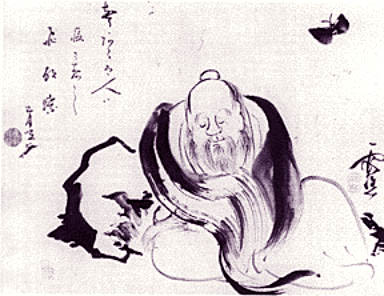
莊 子 夢 見 自 己 化 成 蝴 蝶 , 翩 翩 而 飛 , 竟 然 忘 記 了 自 己 是 莊 周 ; 醒 來 之 後 , 又 覺 得 自 己 是 莊 周 。 到 底 是 莊 周 做 夢 化 成 蝴 蝶 , 還 是 蝴 蝶 做 夢 化 成 莊 周 ? 在 道 家 與 道 門 中 人 看 來 , 不 論 莊 周 也 好 , 蝴 蝶 也 好 , 其 實 不 必 進 行 人 為 的 彼 此 區 分 , 因 為 讓 思 維 處 於 物 我 一 體 的 狀 態 , 彼 此 沒 有 分 別 , 大 道 也 就 在 心 中 .
22.5.09
Visa, Ip Man, and Congee Village
I got my Visa! Yeah, now I'm set for China. Ate at Congee Village today, my favorite Chinese restaurant in New York. Saw Ip Man with my brother. Great movie.
18.5.09
China's Muscular People

Something happened to the image I put up of Bruce Lee from before. So here is another one of him attempting to kick famous Chinese muscleman Bolo Yeung.
Chinese Culture
I've been eating a lot of Chinese food lately and watching a lot of old Chinese movies on youtube. I've decided to become better exposed to Chinese culture by memorizing 6 Chinese songs which to me exemplify the many faces of China and Chinese culture. I also plan to memorize the Bodhisattva vows in Mandarin.
National Anthem of the People's Republic of China (Mandarin)
义勇军进行曲
I'll Make a Man Out of You, from Mulan (Mandarin)
男子汉
A Man of Determination/ On the General's Orders (Mandarin)
男兒當自強/ 將軍令
The melody is very old and often associated with 19th century Kung Fu master Wong Fei Hung because its in the hundred odd films that revolve around him. He was one of the Ten Tigers of Canton, a hero in the anti-Imperialist struggle of the day, and a master of martial arts and Traditional Chinese Medicine. The song was given words for Jet Li's "Once Upon a Time in China" series. Makes me want to do pushups.
The Internationale(Mandarin)
國际歌
In That Far Away Place (Mandarin)
在那遥远的地方
A beautiful, beautiful song that makes me cry. Sung by John Denver and Paul Robeson! Known by all Chinese people.
Has the power to make a Chinese person very emotional. Can make most Chinese women fall in love.
Rainy Night Flower (Minnan/Hokkien)
雨 夜 花
A beautiful, beautiful song that makes me cry. I find its lyrics beautiful. The song has subtle political significance I won't go into here. Basically, I feel I should learn at least one song in a dialect that is not Mandarin.
A flower on a rainy night A flower on a rainy night Fell on the ground in wind and rain Out of everyone's sight It sighs day and night It has fallen not to return again. A flower on the ground A flower on the ground Who pays attention to it? Merciless rain, merciless rain It has no concern for our future It is not mindful for our frailty Covering our destiny with darkness Causing us to fall from the branch Out of everyone's sight Raindrops, raindrops Lead us into the pool of suffering Not mindful of our frailty Covering our destiny with darkness Causing us to fall from the branch
Out of everyone's sight.
Hello! Ni Hao!
你们好!我姓马,叫马智勇。 可以叫我小马。今年六月,七月,八月我从美国到北京去学中文。也打算到四川去路性也看一位朋友。可能跟我同学去别的地方。
Hello! I am Manny. I will be going to China this June, July, and August. I will be studying Chinese in Beijing. I will also be traveling with my program and afterwards I plan to go to Sichuan to visit a friend.
I'm still in the U.S., studying a little Chinese each day, reading some books, watching movies, hanging out wth family and friends, waiting for my visa, and sleeping a lot. So much preparation and packing is necessary. And I'm still not sure I did everything right as the forms from Capital Normal University are really confusing.
Below is something I felt was necessary to start the blog off with.

Subscribe to:
Posts (Atom)